12 Houses in Your Natal Chart Explained: Complete Guide to Astrological Houses
In this Article
The 12 houses in your natal chart are the where of astrology. While planets tell you what energy is active and signs tell you how that energy expresses itself, houses tell you where in your life it plays out. Without houses, you'd know your personality but not your story.
Your personal astrologer - Vedic + Western.
Reads all 10,000+ points of your birth chart to answer your question. First question free, no card needed.
Ask your question free →Think of your natal chart as a stage. Planets are the actors. Signs are the costumes and scripts. Houses are the scenes - the specific life areas where the drama unfolds. Understanding your houses transforms abstract planetary descriptions into concrete, practical self-knowledge about your career, relationships, finances, health, creativity, and spiritual path.
Every chart has all 12 houses, even if some are empty. Each house governs a specific domain of life, and the sign on each house cusp (starting line) determines how you approach that area. A planet sitting in a house brings focused energy and attention to that life domain.
How Houses Work in Your Birth Chart
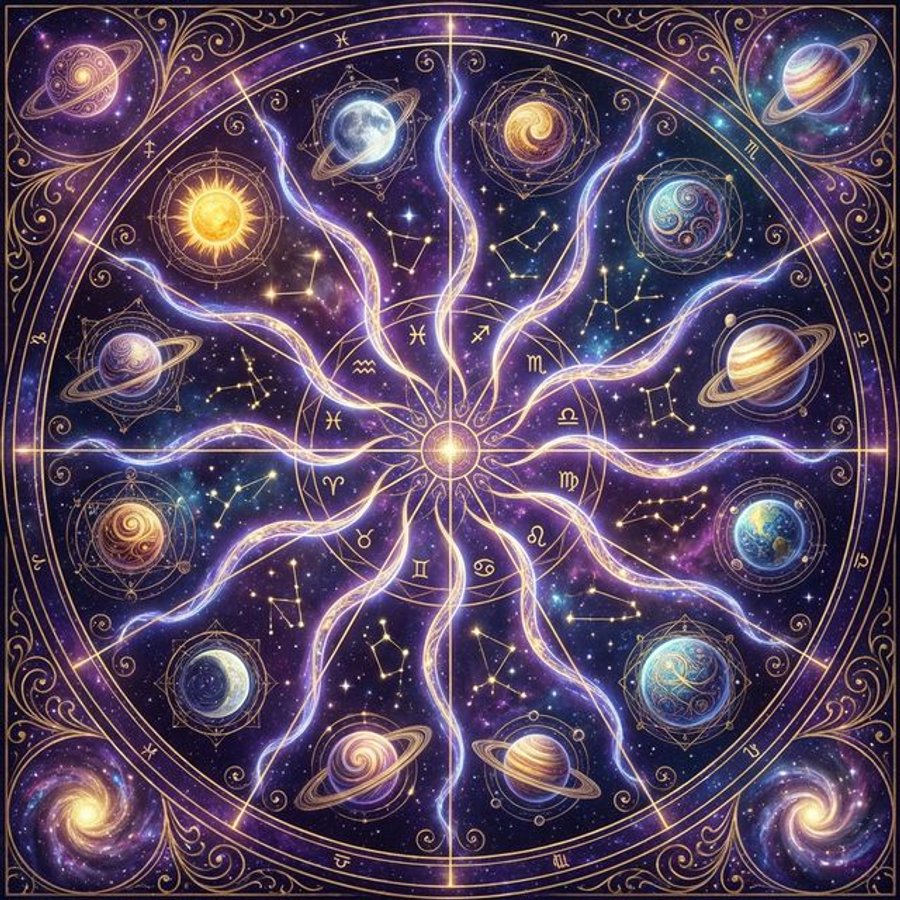
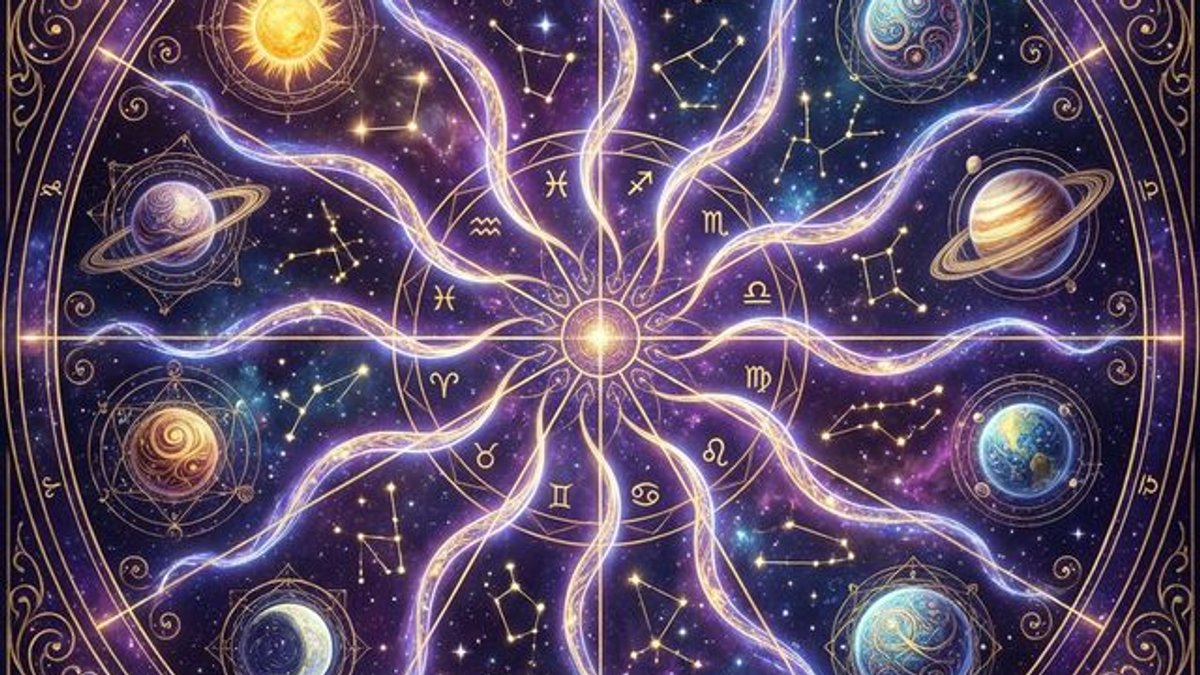
12 astrological houses natal chart zodiac wheel with planets and sacred geometry in cosmic purple and gold setting
Before diving into each house, you need to understand the mechanics. Houses aren't arbitrary categories - they're calculated from your exact birth time and location, making them deeply personal.
The Ascendant sets everything. Your 1st house cusp is your Ascendant (Rising Sign) - the zodiac sign that was rising on the eastern horizon at the exact moment you were born. This is why birth time matters so much. Even a 15-minute difference can shift your Ascendant and rearrange your entire house system.
Houses move counterclockwise. Starting from the Ascendant (left side of the chart), houses are numbered 1 through 12 moving counterclockwise. Each house cusp carries a zodiac sign, and the sequence follows the zodiac order from your Ascendant onwards.
The sign on the cusp matters. Even without any planets in a house, the zodiac sign on its cusp tells you how you naturally approach that life area. Aries on your 7th house cusp? You approach relationships with directness and independence. Pisces on your 10th house cusp? Your career may involve creativity, healing, or serving others.
Planets in houses are the main events. When a planet sits in a house, it concentrates energy and attention there. Someone with Saturn in the 7th house will take relationships very seriously, experiencing both commitment and challenges in partnerships. Someone with Jupiter in the 9th house may have a lifelong love of travel, education, and philosophy.
Most chart interpretations use the Placidus house system - the most common in Western astrology. Other systems (Whole Sign, Equal House, Koch) divide the sky differently. Each has valid applications, but Placidus remains the standard for most readings.
The 1st House: The Ascendant - Self and Identity
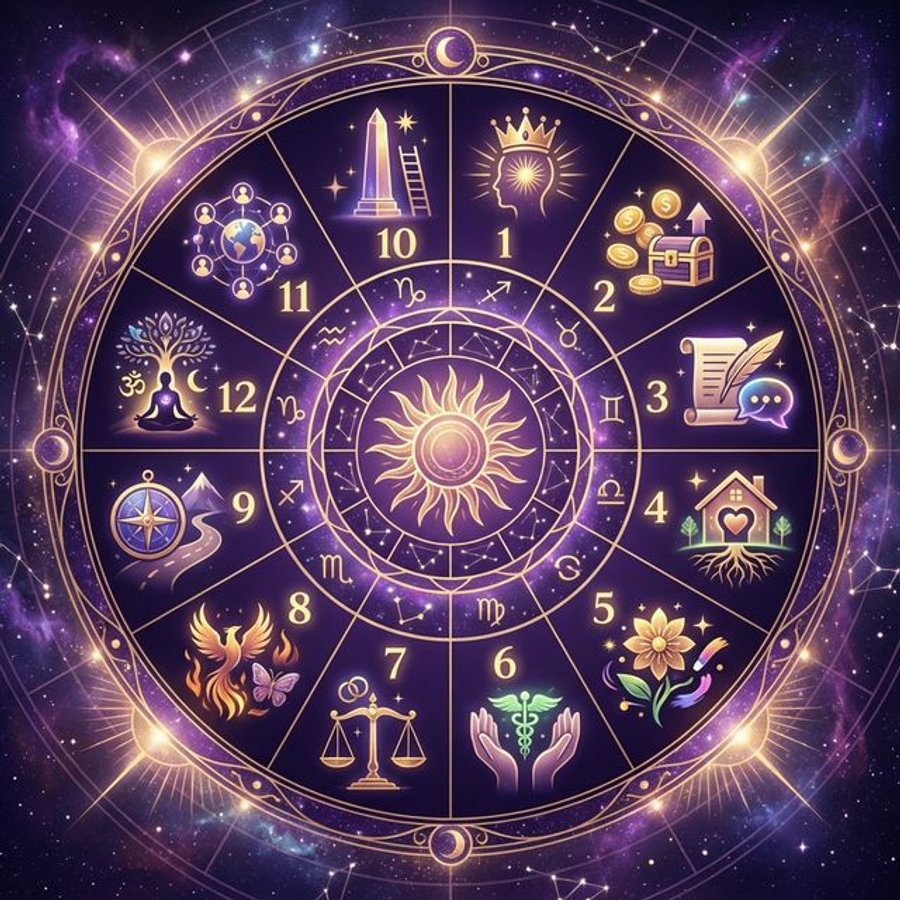
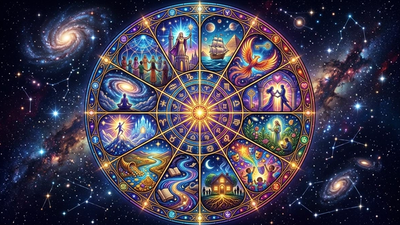
12 astrological houses infographic showing zodiac wheel with icons for each house representing life areas from identity to spirituality
Natural Sign: Aries | Natural Ruler: Mars
The 1st house is you - your identity, your body, your first impression on others, and how you initiate action in the world. It's the most personal house in your chart, representing the lens through which you see everything and the face you show the world.
What the 1st house governs:
- Physical appearance and body constitution
- First impressions and the energy you project
- Personal identity - how you define yourself
- Approach to new beginnings and self-initiated action
- Vitality and overall life force
With planets here: Any planet in the 1st house becomes a dominant part of your personality. Mars here makes you assertive and action-oriented. Venus adds charm and aesthetic awareness. Saturn brings seriousness and self-discipline. The Sun amplifies personal presence and confidence.
The Ascendant itself is arguably the most important point in your chart after the Sun and Moon. Your Rising Sign determines not just the 1st house but the entire house layout of your chart. It's the starting point from which everything else unfolds.
The 2nd House: Values, Money, and Resources
Natural Sign: Taurus | Natural Ruler: Venus
The 2nd house governs what you own, what you value, and what gives you a sense of material security. It's not just about bank accounts - it's about self-worth, personal resources, and what you consider truly valuable in life.
What the 2nd house governs:
- Money, income, and financial habits
- Material possessions and relationship to things
- Self-worth and personal values
- Talents and skills you can monetize
- Physical senses and bodily pleasure
With planets here: Jupiter in the 2nd house often indicates natural earning ability and a generous relationship with money. Saturn here can create financial caution, delayed material success, or lessons learned through scarcity before abundance. Venus makes you appreciate beauty and quality, often willing to spend on aesthetic pleasure.
Key insight: The 2nd house isn't just what's in your wallet - it's what's in your heart. Your deepest values, the things you'd fight for, the principles you won't compromise on - these are 2nd house matters as much as your salary.
The 3rd House: Communication and Learning
Natural Sign: Gemini | Natural Ruler: Mercury
The 3rd house rules your immediate mental environment - how you think, communicate, learn, and interact with your local surroundings. It's the house of everyday intelligence, short journeys, siblings, and neighbors.
What the 3rd house governs:
- Communication style - writing, speaking, listening
- Early education and learning approach
- Siblings and sibling relationships
- Short-distance travel and daily commute
- Neighbors and local community interaction
- Media consumption and information processing
With planets here: Mercury in its natural house sharpens communication skills enormously - these are often gifted writers, speakers, or teachers. Mars here adds assertiveness to speech, sometimes argumentativeness. Neptune can make communication poetic and imaginative but sometimes unclear or deceptive.
Practical application: If you're wondering why you process information the way you do - whether you're a fast reader, a visual thinker, or someone who learns by talking things through - your 3rd house holds the answer.
The 4th House: Home, Family, and Roots
Natural Sign: Cancer | Natural Ruler: Moon
The 4th house is your foundation - your roots, your family of origin, your sense of home, and the emotional bedrock on which your entire life is built. It sits at the very bottom of your chart (the IC - Imum Coeli), representing your most private self.
What the 4th house governs:
- Home environment and living situation
- Family of origin, particularly the nurturing parent
- Ancestry, heritage, and cultural roots
- Emotional security and psychological foundation
- Real estate and property
- The end of life (where things conclude)
With planets here: Moon in the 4th house creates someone for whom home is everything - emotional wellbeing depends directly on the quality of their living space and family connections. Pluto here can indicate transformative or intense early family experiences that shape the entire personality. Jupiter expands the home - literally (big house) or figuratively (open, welcoming, multicultural).
The IC (4th house cusp) represents your private self - who you are when nobody's watching. Contrasted with the MC (10th house cusp), which shows your public role, the 4th house is your innermost emotional truth.
The 5th House: Creativity, Romance, and Joy
Natural Sign: Leo | Natural Ruler: Sun
The 5th house is where life gets fun. It governs creative self-expression, romance (not marriage - that's the 7th), children, play, hobbies, and everything you do purely for the joy of doing it. It's the house of your inner child.
What the 5th house governs:
- Creative expression and artistic pursuits
- Romance, dating, and courtship (new love)
- Children - having, raising, and relating to them
- Hobbies, games, sports, and recreation
- Speculation and risk-taking (gambling, investments)
- Personal charisma and self-expression
With planets here: Leo's natural ruler, the Sun, shines brightly here - creating performers, artists, and people with magnetic presence. Venus in the 5th house makes someone deeply romantic and creatively talented. Saturn here can delay parenthood, restrict play (learning to have fun is a lesson), or channel creativity into disciplined art forms.
Important distinction: The 5th house rules romance - the excitement of falling in love, the thrill of courtship, the creative spark of attraction. Marriage and committed partnership belong to the 7th house. The 5th is the first date; the 7th is the wedding.
The 6th House: Health, Work, and Daily Routines
Natural Sign: Virgo | Natural Ruler: Mercury
The 6th house rules the unglamorous but essential aspects of daily life - health maintenance, work habits, daily routines, and acts of service. It's the house of self-improvement through practical effort.
What the 6th house governs:
- Physical health and health maintenance habits
- Daily work routines and job environment
- Service to others - volunteering, mentoring, helping
- Pets and small animals
- Diet, exercise, and wellness practices
- Relationship with employees or coworkers
With planets here: Mars in the 6th house creates driven, energetic workers - sometimes workaholic tendencies. Neptune here can indicate sensitivity to medication, interest in alternative healing, or confusion about health symptoms. Saturn demands disciplined health habits but often brings chronic conditions that teach body awareness.
Key distinction: The 6th house is your job - daily work, routine, and service. The 10th house is your career - vocation, public role, and legacy. You can have a fulfilling 6th house (enjoyable daily work) without a prominent 10th house career, and vice versa.
The 7th House: Partnerships and Relationships
Natural Sign: Libra | Natural Ruler: Venus
The 7th house governs all committed one-on-one relationships - marriage, business partnerships, close collaborations, and even open enemies (people who confront you directly). It sits directly opposite the 1st house, representing the "other" to your "self."
Meet Nitya, your AI astrologer
She reads your birth chart to answer anything about your life - and she can go deep on any relationship you care about and guide your day ahead. First question free, no card needed.
Some questions our users ask Nitya
Tap any one below - or just write your own question in the form ↓
Nitya isn't a one-time horoscope. She's with you for the whole journey.
Understand yourself
Career, love, money, timing - any decision you are weighing. Answers read straight from your birth chart.
Understand any relationship
Add your partner, a parent, a friend, even a colleague. Nitya reads both charts together to explain the bond, the friction, and how to work through it.
Guidance for every day
Start each morning knowing what the day favors, what to watch for, and the best moments to act.
No card needed. Nitya just needs your birth details to read your chart.
Ask Nitya your first question - free →What the 7th house governs:
- Marriage and committed romantic partnerships
- Business partnerships and collaborations
- Close friendships built on mutual commitment
- The qualities you seek (or attract) in a partner
- Open enemies and legal opponents
- The "shadow self" - traits you project onto others
With planets here: Venus in the 7th house deeply values partnership and usually has a strong need for committed relationships. Saturn here delays marriage or attracts older, more serious partners - but creates incredibly durable partnerships once established. Uranus here brings unconventional relationships, sudden changes in partnership dynamics, or attraction to unusual partners.
The 7th house mirror: Psychologically, the 7th house often represents qualities you don't fully own in yourself and therefore seek in others. Understanding your 7th house sign and planets can reveal relationship patterns you keep repeating until you integrate those qualities internally.
The 8th House: Transformation and Shared Resources
Natural Sign: Scorpio | Natural Ruler: Pluto (traditional: Mars)
The 8th house is where life gets deep. It governs transformation, shared resources, intimacy, death and rebirth, psychology, and everything hidden beneath the surface. This is the house of power - psychological, financial, and sexual.
What the 8th house governs:
- Shared finances - taxes, inheritance, joint accounts, debt
- Sexual intimacy and deep emotional bonding
- Death, rebirth, and transformation
- Psychology, therapy, and the subconscious
- Other people's money and resources
- Occult knowledge, research, and hidden truths
With planets here: Pluto in its natural house intensifies everything - deep psychological awareness, power dynamics, transformative experiences that fundamentally change who you are. Jupiter here can bring inheritance, financial luck through others, or natural psychological wisdom. Moon in the 8th house creates emotional intensity, psychic sensitivity, and profound transformative capacity through emotional processing.
The 8th house isn't scary. Despite its association with death and taboo, the 8th house is ultimately about transformation - the courage to go deep, face what's hidden, and emerge changed. Some of the most psychologically aware, financially savvy, and emotionally powerful people have strong 8th house placements.
The 9th House: Expansion, Philosophy, and Travel
Natural Sign: Sagittarius | Natural Ruler: Jupiter
The 9th house is the domain of higher mind - philosophy, religion, long-distance travel, higher education, and the search for meaning. If the 3rd house is elementary school, the 9th house is the university of life.
What the 9th house governs:
- Higher education, universities, and advanced degrees
- Philosophy, religion, and belief systems
- Long-distance and international travel
- Publishing, broadcasting, and wide-reaching communication
- Legal matters and the justice system
- Teachers, mentors, and gurus
- Ethics, morality, and personal truth
With planets here: Jupiter in its natural house expands the desire for knowledge, travel, and philosophical understanding - these are lifelong learners and wanderers. Saturn here can create delayed higher education, rigid belief systems that need softening, or eventually becoming an authority figure in academic or philosophical fields. Mercury makes someone an exceptional teacher, writer, or philosopher.
The 3rd-9th house axis: The 3rd house gathers information; the 9th house finds meaning in it. Together they form the learning axis of your chart. Strong 3rd house emphasis without 9th house engagement creates knowledge without wisdom. Strong 9th without 3rd creates philosophy without practical communication.
The 10th House: Career, Reputation, and Legacy
Natural Sign: Capricorn | Natural Ruler: Saturn
The 10th house sits at the very top of your chart (the MC - Medium Coeli, or Midheaven), representing your highest public achievement, career direction, reputation, and the legacy you build. It's the most visible house - the part of your life the world sees.
What the 10th house governs:
- Career direction and professional calling
- Public reputation and social standing
- Authority figures and your relationship with power
- The demanding parent (traditionally the father)
- Achievements, awards, and public recognition
- Life purpose as expressed through work
- Legacy - what you're remembered for
With planets here: Saturn in Its natural house creates serious ambition, eventual authority, and professional success that comes through sustained effort rather than luck. Sun here makes career central to identity - you are what you do, for better or worse. Jupiter brings career expansion, professional luck, and often public visibility.
The MC (Midheaven) is the second most career-relevant point after the 10th house itself. Its sign reveals not just what career you pursue, but how you want to be perceived publicly. Capricorn MC wants respect through achievement. Pisces MC wants to be seen as compassionate and creative.
The 11th House: Community, Friendship, and Vision
Natural Sign: Aquarius | Natural Ruler: Uranus (traditional: Saturn)
The 11th house extends your reach beyond personal achievement into collective connection. It governs friendships, social circles, group activities, humanitarian causes, and your vision for the future. This is where you contribute to something larger than yourself.
What the 11th house governs:
- Friendships and social networks
- Group activities, clubs, and organizations
- Hopes, wishes, and long-term goals
- Humanitarian causes and social ideals
- Technology and innovation
- Income from career (as distinct from earned income in the 2nd)
- The collective and your role within it
With planets here: Uranus in its natural house creates someone drawn to unconventional social circles, progressive causes, and innovative group projects. Venus here forms friendships easily and often meets romantic partners through social groups. Saturn here may struggle with social anxiety or feel like an outsider, but eventually builds deeply committed, long-lasting friendships.
The 5th-11th axis: The 5th house is personal creativity and individual self-expression. The 11th house channels creativity into collective benefit. The 5th creates art for personal joy; the 11th creates art that serves or inspires communities.
The 12th House: Spirituality and the Subconscious
Natural Sign: Pisces | Natural Ruler: Neptune (traditional: Jupiter)
The 12th house is the most mysterious sector of your chart. It governs the subconscious mind, spirituality, isolation, hidden enemies, self-undoing, and everything that lies beyond ordinary awareness. It's the house of endings that precede new beginnings - the dissolution before the 1st house's rebirth.
What the 12th house governs:
- Subconscious patterns and hidden motivations
- Spirituality, meditation, and transcendence
- Isolation, retreat, and solitude (chosen or imposed)
- Dreams, imagination, and the collective unconscious
- Hidden enemies and self-sabotaging behaviors
- Institutions - hospitals, prisons, monasteries
- Karma and past-life patterns (in traditions that include reincarnation)
- Compassion, sacrifice, and unconditional love
With planets here: Neptune in its natural house deepens spiritual sensitivity, psychic ability, and creative imagination - but can also bring confusion, addiction, and boundary issues. Sun in the 12th house creates someone whose ego needs to dissolve somewhat before their true purpose emerges - these natives often find themselves through service, solitude, or spiritual practice rather than public achievement. Jupiter here protects from behind the scenes - guardian angels, lucky escapes, and hidden blessings.
The 12th house isn't negative. Despite traditional associations with suffering and confinement, the 12th house is the seat of transcendence, spiritual awakening, and connection to something larger than the individual self. The most spiritually evolved individuals often have prominent 12th house placements.
Angular, Succedent, and Cadent Houses: Understanding House Types
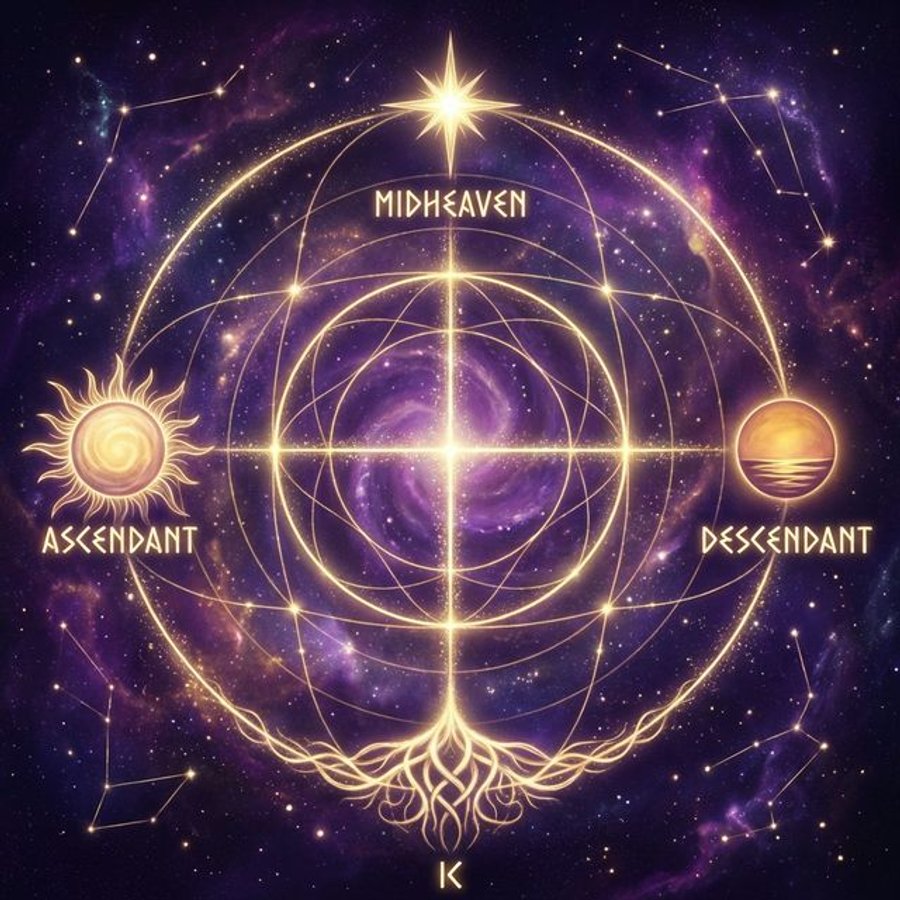
Four angular houses in astrology showing Ascendant Midheaven Descendant and IC as cardinal chart points
Houses aren't just numbered - they're categorized into three types based on their position and energy quality.
Angular Houses (1st, 4th, 7th, 10th)
These are the most powerful houses. They correspond to the four cardinal points of the chart: Ascendant (1st), IC (4th), Descendant (7th), and MC (10th). Planets in angular houses have the strongest impact on your life and personality. They represent action, initiative, and visible influence.
- 1st House: How you present yourself
- 4th House: Your private foundation
- 7th House: How you partner with others
- 10th House: Your public role and ambitions
Practical impact: If most of your planets cluster in angular houses, you're someone who does things visibly - a mover, an initiator, someone whose life is defined by action rather than reflection.
Succedent Houses (2nd, 5th, 8th, 11th)
These are the stabilizing houses. They follow the angular houses and consolidate their energy. Planets here have moderate strength and operate through sustained effort rather than dramatic action.
- 2nd House: Building financial security
- 5th House: Sustaining creative expression
- 8th House: Deepening through transformation
- 11th House: Contributing to community
Practical impact: A succedent-heavy chart indicates someone who builds, accumulates, and sustains rather than initiating. You're the person who makes things last.
Cadent Houses (3rd, 6th, 9th, 12th)
These are the adaptable, mental houses. They precede the angular houses and prepare for the next cycle. Planets here operate through thought, communication, and flexibility.
- 3rd House: Processing and communicating
- 6th House: Analyzing and improving
- 9th House: Philosophizing and expanding
- 12th House: Dissolving and transcending
Practical impact: A cadent-heavy chart indicates a thinker, a communicator, someone whose impact comes through ideas, analysis, and adaptation rather than direct force or material accumulation.
What About Empty Houses?
An empty house doesn't mean that area of life is absent or unimportant. Every house in your chart is active - but not every house gets the spotlight of a planet's focused attention.
Empty houses are governed by their cusp sign ruler. If your 5th house is empty but has Leo on the cusp, look to where the Sun (Leo's ruler) sits in your chart. The Sun's house and sign tell you how 5th-house matters (creativity, romance, children) operate in your life.
Empty houses flow with less friction. Ironically, life areas represented by empty houses often run smoothly precisely because they lack the intensity (and complication) that planets bring. An empty 7th house doesn't mean you'll never marry - it means relationships may develop naturally without the dramatic lessons a 7th-house Saturn or Pluto would bring.
Transits activate empty houses. Even though your natal chart may have an empty house, transiting planets move through them regularly, temporarily activating those life areas. When Jupiter transits your empty 10th house, career opportunities arise even without a natal planet there.
How to Read Your Houses Practically
Understanding your houses isn't just theoretical knowledge - it's a practical framework for self-understanding.
- Start with your Ascendant. Your Rising Sign determines your entire house layout. If you don't know your birth time, this is the first thing to figure out.
- Find your planetary clusters. Where are most of your planets concentrated? That hemisphere or house group reveals where your life's energy naturally focuses.
- Check the angular houses first. Planets in your 1st, 4th, 7th, and 10th houses have the most visible impact on your life story.
- Read the sign on each house cusp. Even empty houses tell a story through their cusp sign - it reveals your natural approach to that life area.
- Use houses with transits. When you want to know how current planetary movements affect you, houses provide the "where" - which life area gets activated.
At MyNitya, you can get your complete house breakdown based on your exact birth time - showing which signs govern each house and which planets occupy them, with interpretation of what each placement means for your specific life path.
Key Takeaway
The 12 houses in your natal chart are the staging ground of your life story. They divide your existence into distinct domains - identity, money, communication, home, creativity, health, partnerships, transformation, philosophy, career, community, and spirituality. While planets provide the energy and signs provide the style, houses provide the context. Understanding which houses are emphasized in your chart explains why certain life areas demand more attention, create more challenges, or offer more gifts than others. Your houses are the map; the planets are the journey.
Frequently Asked Questions
What are houses in a natal chart?
Houses are 12 divisions of your natal (birth) chart, each representing a specific area of life - from identity and finances to career and spirituality. They're calculated from your exact birth time and location, with the 1st house beginning at your Ascendant (Rising Sign). Planets in houses show where their energy focuses in your life.
Why is birth time important for houses?
Birth time determines your Ascendant (Rising Sign), which sets the starting point for all 12 houses. Even a 15-minute difference in birth time can shift your Ascendant to a different zodiac sign, completely rearranging which signs govern which houses and changing the entire interpretation of your chart.
What does an empty house mean?
An empty house doesn't mean that life area is inactive or unimportant. It means no natal planet focuses direct energy there. The house is still governed by the zodiac sign on its cusp - look to the ruling planet of that sign to understand how that life area operates. Empty houses often run smoothly without the intensity planets bring.
Which houses are most important?
The four angular houses - 1st (identity), 4th (home), 7th (partnerships), and 10th (career) - are traditionally considered most powerful. Planets here have the strongest visible impact on your life. However, all 12 houses matter, and the most important ones for you depend on where your planets actually sit.
How do houses relate to zodiac signs?
Each house has a "natural" zodiac sign association (1st house = Aries, 2nd = Taurus, etc.), but in your personal chart, different signs will govern different houses based on your Ascendant. The natural associations teach you the house's general theme. Your personal sign placements show your unique approach.
What is the difference between the 6th house and 10th house for career?
The 6th house governs your daily work, job routines, and service. The 10th house governs your career, vocation, public reputation, and legacy. You can have a satisfying 6th house (enjoyable daily job) without a major 10th house career, or a towering 10th house career with unsatisfying daily work. They address different levels of professional life.